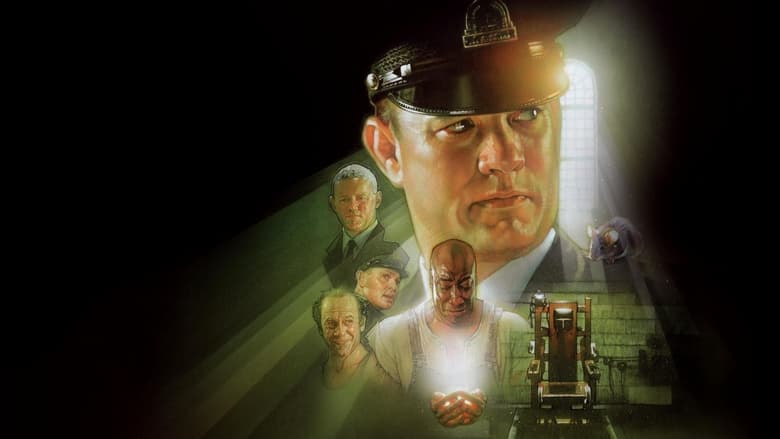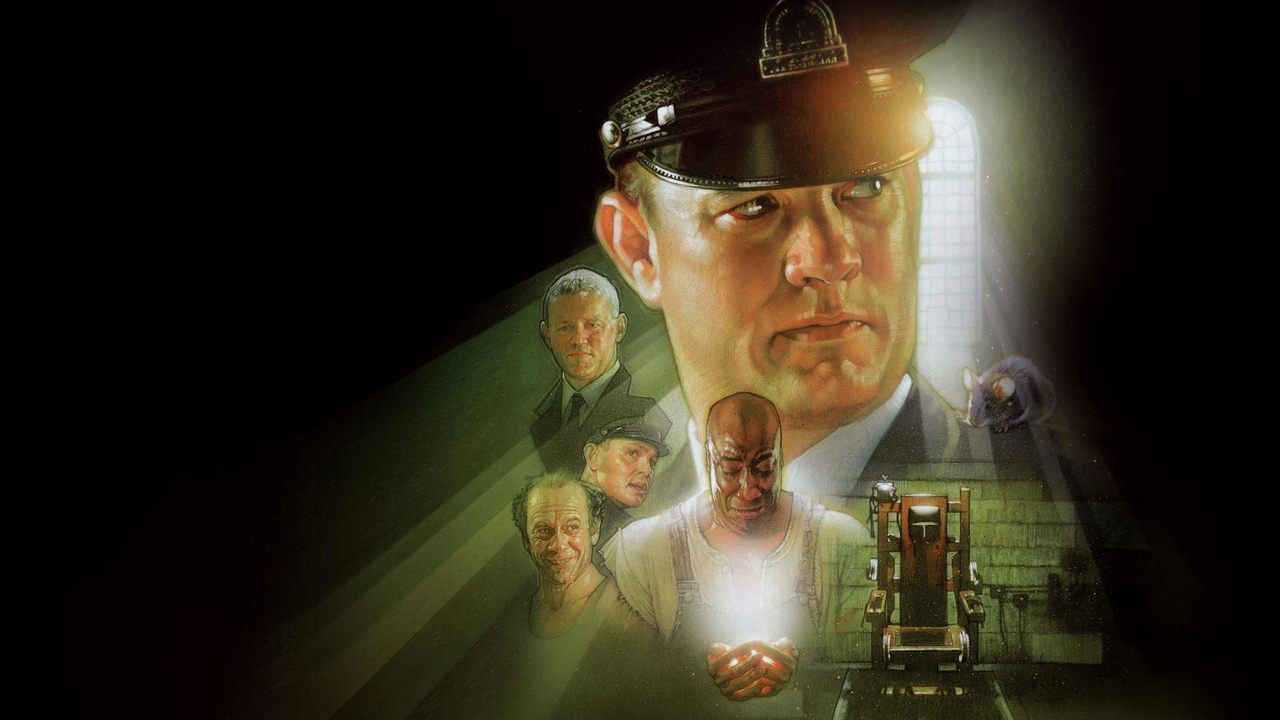
The Green Mile subverts the classic prison-drama formula by shifting the source of systemic evil away from the guards and onto the institution of the state itself. In traditional genre landmarks like Cool Hand Luke or even Darabont's own The Shawshank Redemption, the guards are the primary antagonists, embodying the cruel, unyielding authority of the prison. Here, however, Paul, Brutal, Harry, and Dean are depicted as deeply empathetic, decent men who perform their grim duties with solemn respect. The true villainy is bifurcated: it is concentrated individually in the cowardly, sadistic Percy Wetmore—who is an anomaly among the staff—and structurally in the cold, unfeeling apparatus of the law. By making the main guards sympathetic, the film creates a much more complex moral dilemma. We are forced to watch good men participate in a monstrous act. They are not sadists; they are cogs in a machine they cannot stop. This subversion elevates the film from a simple us-versus-them prison escape narrative into a tragedy about the moral injury sustained by decent people who are forced to administer an unjust system.■
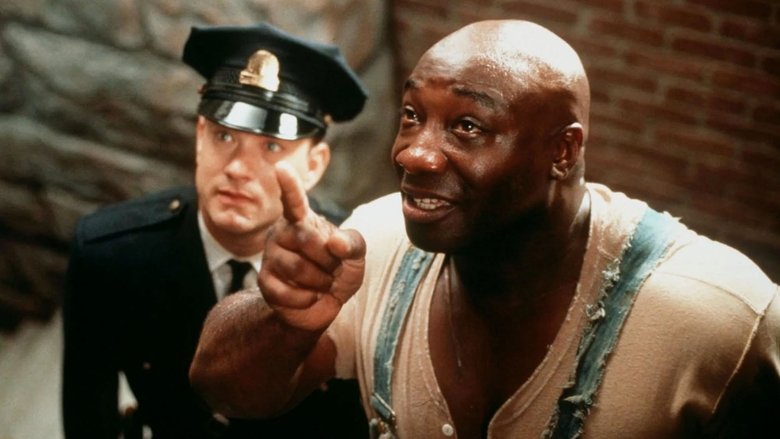
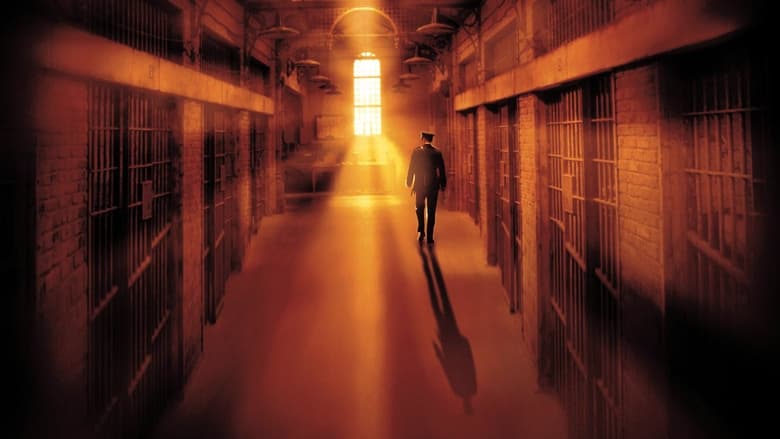
The Green Mile|1999 · Frank Darabont
What is the thematic significance of the green linoleum floor in the prison?
While the green linoleum floor of Cold Mountain Penitentiary is universally understood as a corridor of…