The film subverts classic film noir by shifting the detective's quest from an investigation of an external crime to an agonizing exploration of the protagonist's own fractured psyche. Traditional film noir features a cynical detective navigating a corrupt city to solve a mystery, often involving a duplicitous femme fatale. Lynch adopts these visual and narrative tropes—the dark streets, the amnesiac woman, the conspiracy—but reverses their psychological direction. Instead of Betty solving the mystery of Rita's identity, the investigation leads inward, revealing that Betty herself is the criminal and Rita is the victim. The classic noir detective is typically an outsider trying to restore moral order; here, the detective is the dreamer trying to maintain a lie. By merging the archetype of the innocent small-town girl with the corrupt detective, Lynch collapses the genre's rigid moral dichotomy of good versus evil. Furthermore, the film replaces the gritty realism of 1940s noir with a neon-soaked, dreamlike melodrama, suggesting that the ultimate conspiracy is not a corporate cover-up, but the mind's own conspiracy to hide from its sins.■


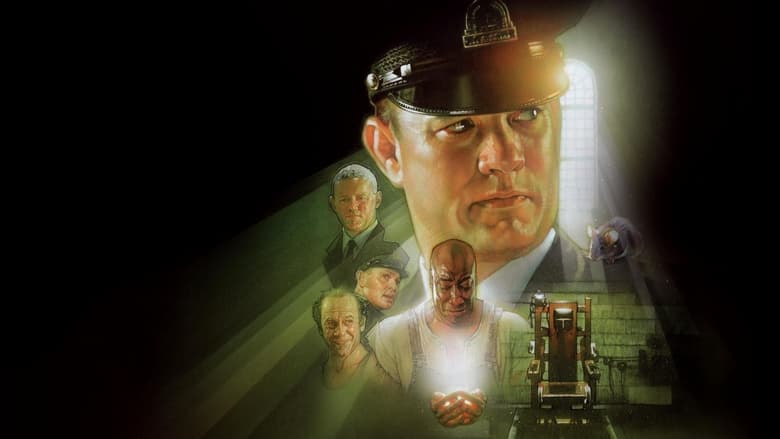
The Green Mile|1999 · Frank Darabont
What is the thematic significance of the green linoleum floor in the prison?
While the green linoleum floor of Cold Mountain Penitentiary is universally understood as a corridor of…