Pulp Fiction subverts classic hardboiled noir tropes by stripping away the genre's traditional cynicism and replacing it with mundane, pop-culture-obsessed domesticity. In classic 1940s noir, hitmen are silent, shadowy figures of existential dread; here, Jules and Vincent debate the culinary differences between American and European fast food and argue about the hygiene of pigs while driving to a hit. The classic trope of the boxer who refuses to take a dive, famously seen in films like The Set-Up, is subverted not by Butch's tragic death in the ring, but by his bizarre detour into a sadistic basement dungeon run by a pawnshop owner and a corrupt cop. Similarly, the dangerous femme fatale archetype is completely dismantled during Vincent's night out with Mia Wallace. Instead of seducing Vincent into a web of betrayal and murder, Mia accidentally overdoses on his heroin, turning a tense, romantic neo-noir date into a frantic, darkly comedic medical emergency. By grounding these archetypal characters in highly specific, mundane realities and absurd domestic crises, Tarantino demystifies the romanticized underworld of classic crime fiction, creating a new form of post-modern noir where the greatest threats are not criminal conspiracies, but accidental overdoses and dirty car interiors.■
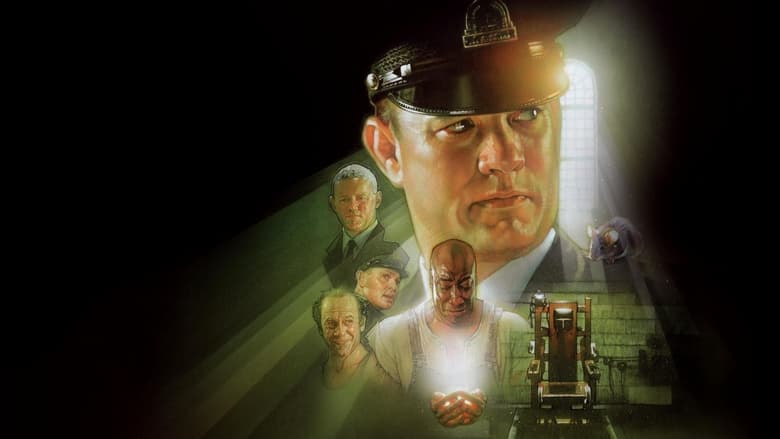
The Green Mile|1999 · Frank Darabont
What is the thematic significance of the green linoleum floor in the prison?
While the green linoleum floor of Cold Mountain Penitentiary is universally understood as a corridor of…