At the end of Persona, there is no literal body swap or permanent identity theft; instead, both women return to their original, separate lives, but they do so radically altered by the realization that their clean-cut roles are fragile illusions. We see Alma put on her nurse uniform, pack up the summer cottage, and board a bus alone, while a brief shot shows Elisabeth back on stage in her Electra costume. The apparent merging of their identities was not a supernatural event, but a psychological crisis triggered by their intense, isolated intimacy. Alma sought the artistic depth and poise of Elisabeth, while Elisabeth envied the simple, unburdened reality of Alma. By the end, this mutual projection collapses under the weight of resentment and betrayal, symbolized by the physical film strip itself running out and burning. Alma's final departure proves that she has reclaimed her own life, but she is no longer naive; she has looked into the abyss of her own capacity for cruelty and vulnerability. The film's final collapse back into the physical mechanics of the projector reminds us that what we witnessed was an illusion of unity.■


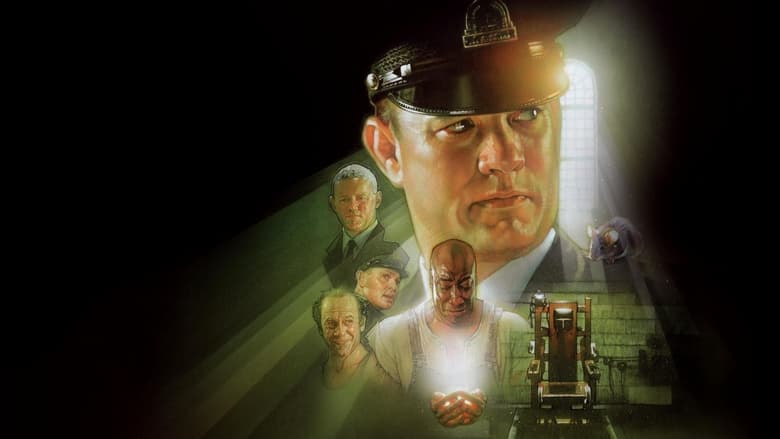
The Green Mile|1999 · Frank Darabont
What is the thematic significance of the green linoleum floor in the prison?
While the green linoleum floor of Cold Mountain Penitentiary is universally understood as a corridor of…