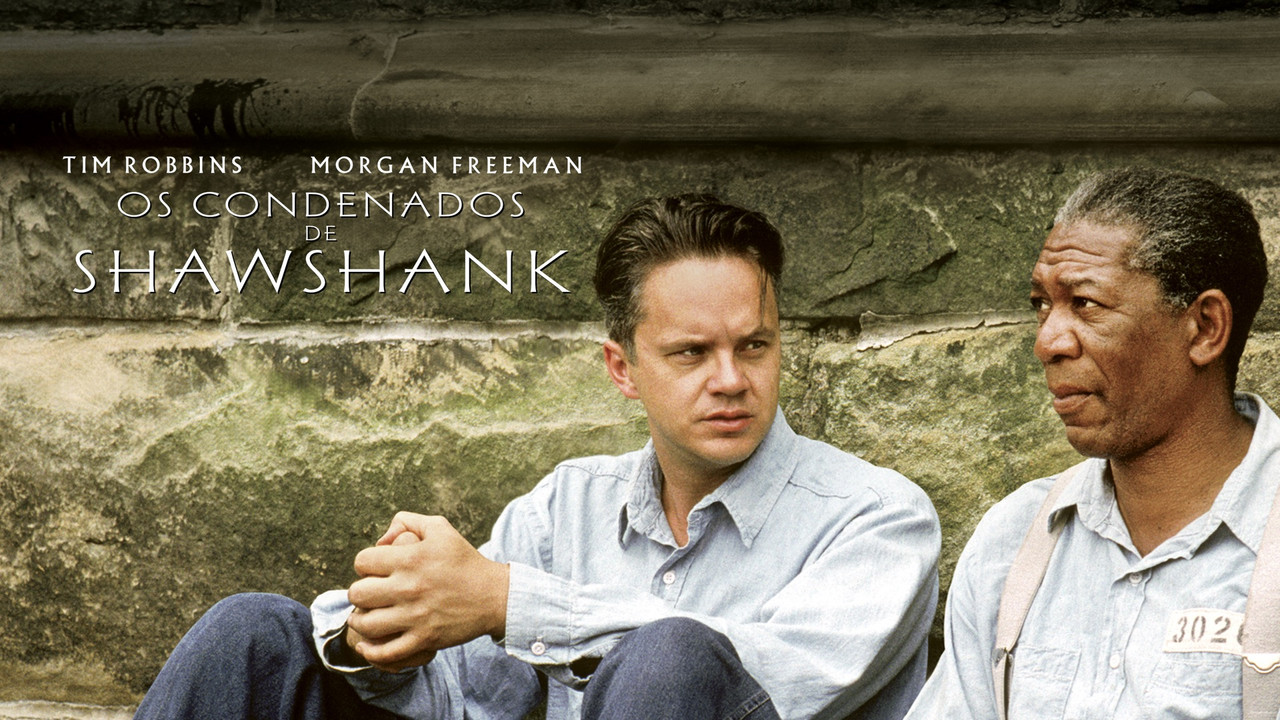
The camera slowly zooms in during Red's final parole hearing to visually signal his liberation from the institutional performance he gave in his previous appearances. In the first two hearings, which take place in 1947 and 1957, the camera remains static and distant, capturing Red from a sterile, objective angle that mirrors the cold, bureaucratic gaze of the parole board. In those scenes, Red delivers a rehearsed, submissive speech about being 'rehabilitated', desperately trying to say what he thinks his captors want to hear. In the final 1967 hearing, however, Red has abandoned all hope of pleasing them. He delivers a brutally honest monologue about his regret, his younger self, and the meaninglessness of the word 'rehabilitated'. By slowly pushing the camera into a tight close-up on Morgan Freeman's face, director Frank Darabont forces the audience to bypass the bureaucratic setting and connect directly with Red's raw humanity. The camera movement shifts the power dynamic in the room, transforming the scene from an interrogation of a convict into a profound, intimate confession of a free soul.■
The Green Mile|1999 · Frank Darabont
What is the thematic significance of the green linoleum floor in the prison?
While the green linoleum floor of Cold Mountain Penitentiary is universally understood as a corridor of…