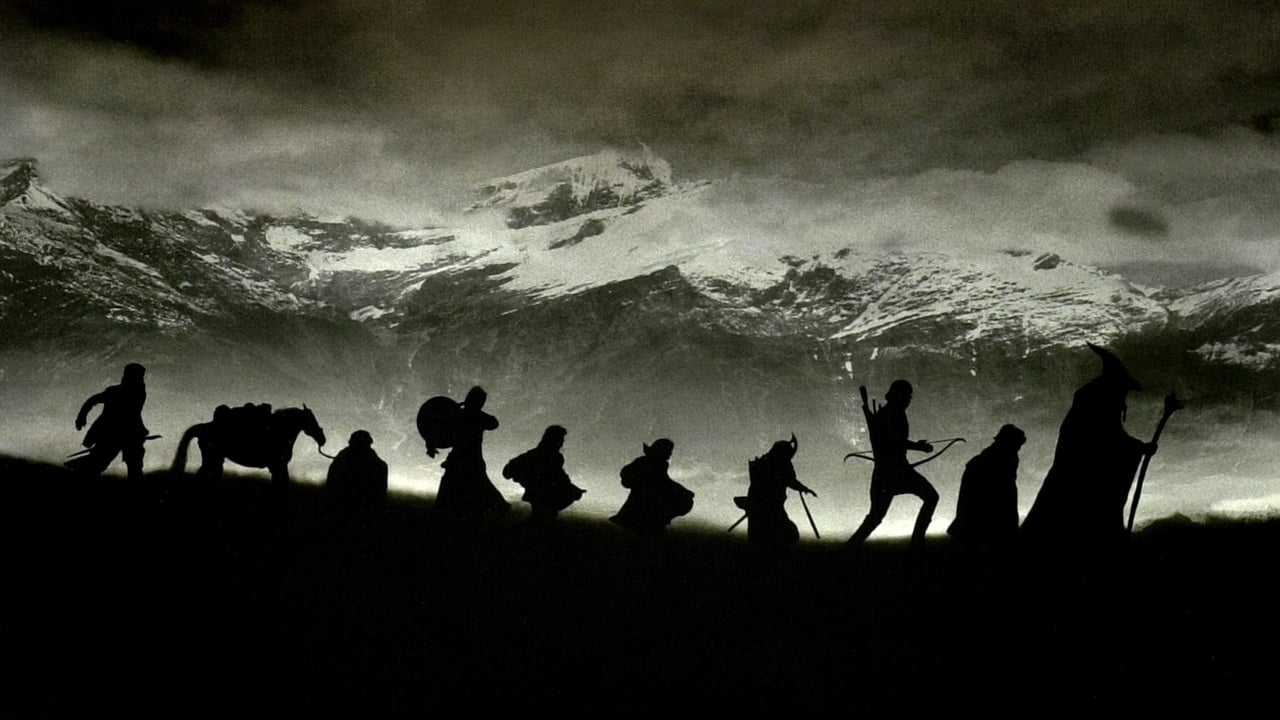
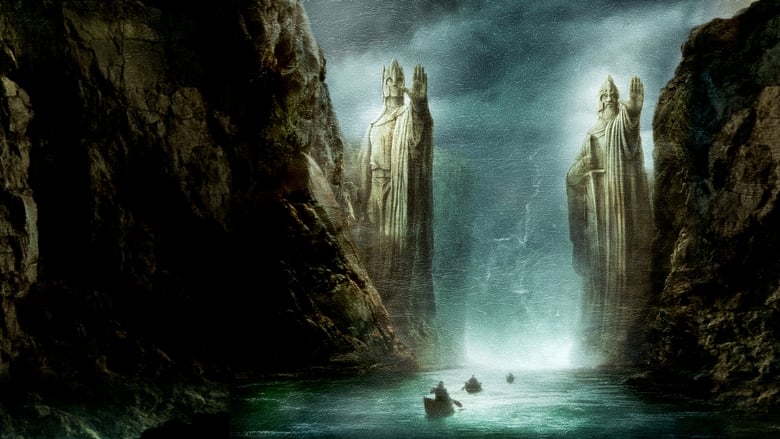
The Fellowship of the Ring escaped the campy reputation of its predecessors by treating Middle-earth not as a fairy-tale land, but as an actual historical period. Peter Jackson and his creative team at Weta Workshop approached the production with a philosophy of "historical realism." Instead of using cheap, glossy props, they aged every piece of armor, hand-forged thousands of weapons, and built highly detailed, weathered sets that looked centuries old. The costuming relied on natural fabrics like wool and leather that showed sweat, dirt, and wear. Furthermore, the cinematography by Andrew Lesnie utilized natural lighting and sweeping landscapes of New Zealand to evoke a sense of immense scale and geographical reality. By anchoring the fantastical elements—like elves and monsters—in a tactile, dirty, and physically demanding world, the film bypassed the theatrical artifice of 1980s fantasy. It established a new cinematic grammar for the genre, proving that high fantasy could be treated with the same dramatic seriousness and aesthetic rigor as a prestigious historical epic.■

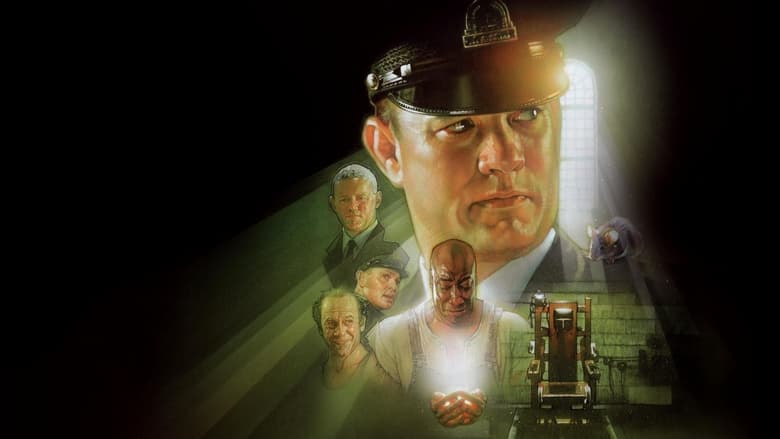
The Green Mile|1999 · Frank Darabont
What is the thematic significance of the green linoleum floor in the prison?
While the green linoleum floor of Cold Mountain Penitentiary is universally understood as a corridor of…