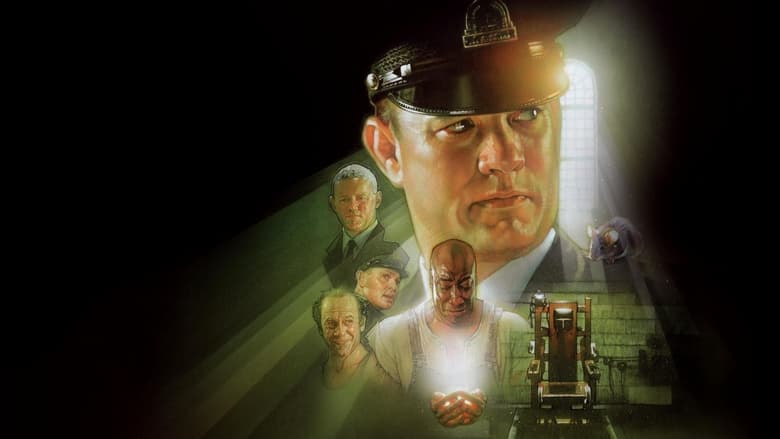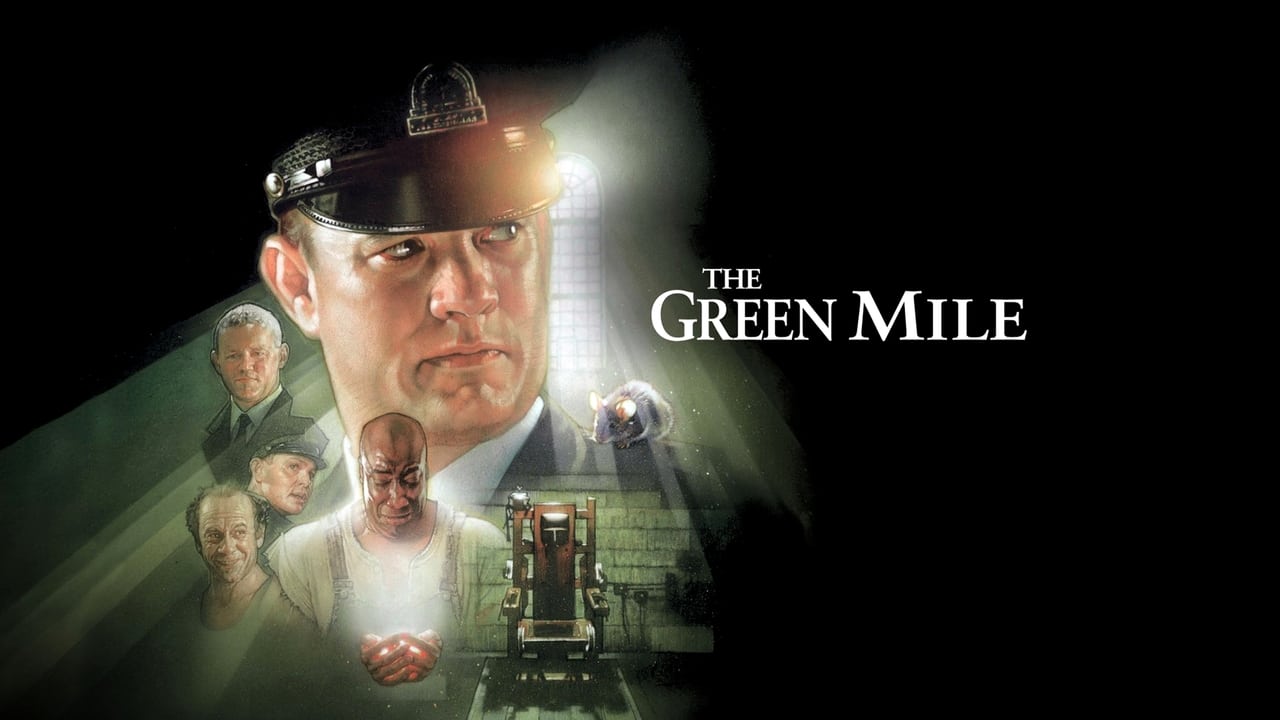
While The Green Mile undeniably employs the Magical Negro trope—a Black character with supernatural powers who exists primarily to aid and redeem white protagonists—it also functions as a devastating critique of historical racial injustice in the American South. Released in 1999, the film confronts the systemic machinery of Jim Crow, where a Black man's innocence is entirely irrelevant to his legal fate. John Coffey's magic cannot save him because the social structure of 1935 Alabama is designed to crush him. The film does not soothe white guilt; instead, it implicates the good white characters, like Paul and Hal Moores, in their active participation in a corrupt system. They know John is innocent and possesses divine grace, yet they still strap him into the electric chair because they lack the power or the courage to break the law to save him. John's tragic fate exposes the limits of individual decency within a racist system. His magic is powerless against the institutionalized hatred of the state, making his death a searing indictment of historical American justice rather than a comforting fable of redemption.■
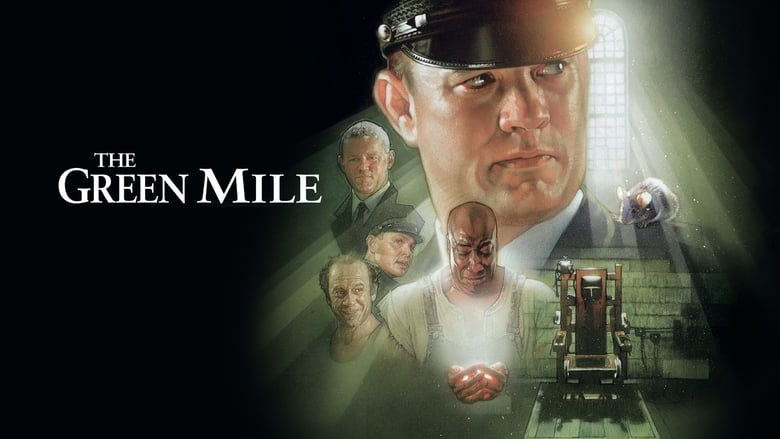
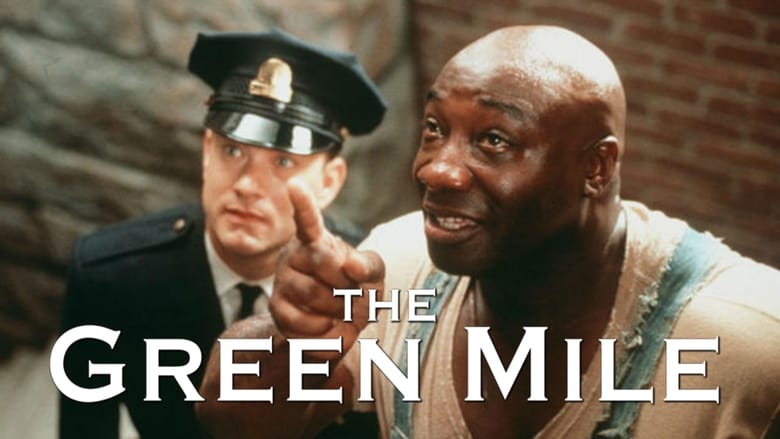
The Green Mile|1999 · Frank Darabont
What is the thematic significance of the green linoleum floor in the prison?
While the green linoleum floor of Cold Mountain Penitentiary is universally understood as a corridor of…