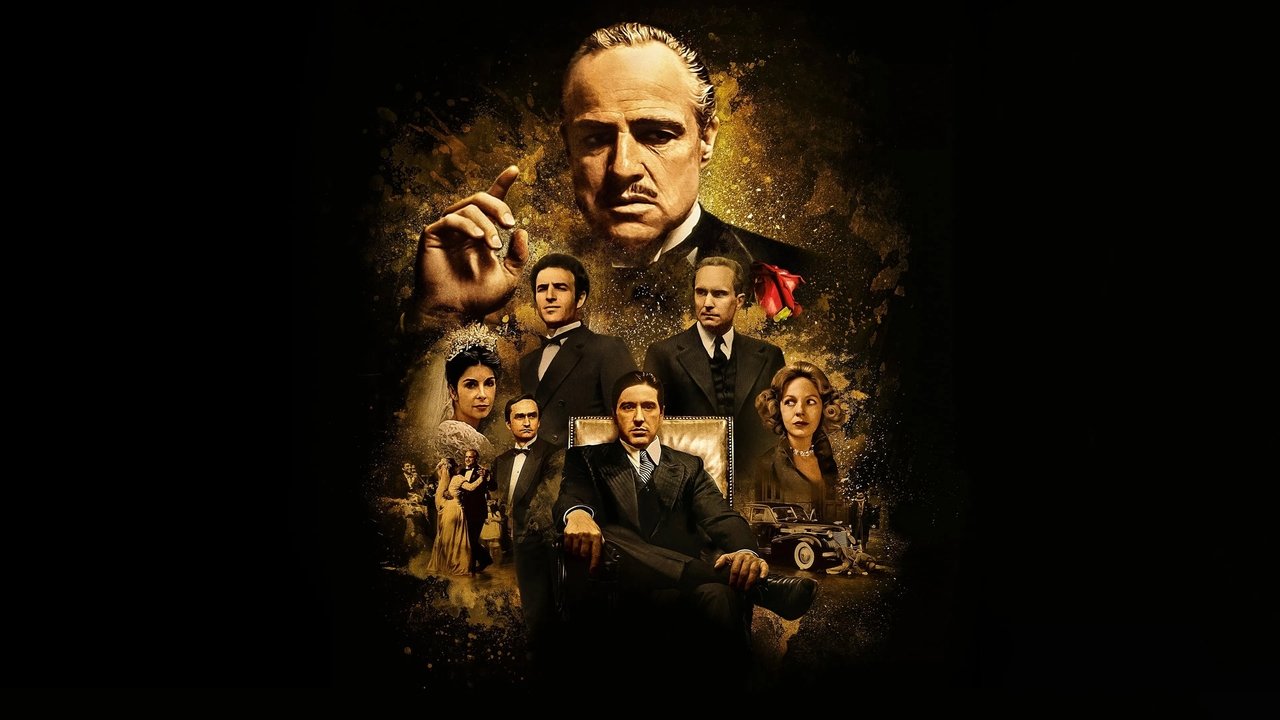
The Sicilian sequence is a vital narrative and thematic detour that strips Michael of his American identity and connects him to the ancient, blood-soaked roots of his family's heritage. On a structural level, Michael's exile to Sicily after murdering Sollozzo and McCluskey slows down the film's urban momentum, replacing the dark, claustrophobic interiors of New York with sun-drenched, dusty landscapes. This shift is essential to Coppola's auteurist vision of family and history. In Sicily, Michael is not a modern American war hero; he is an ancestral Corleone. His courtship and marriage to Apollonia represent an idealized, pre-modern life of pastoral simplicity and traditional values. However, this pastoral dream is violently shattered by the car bomb meant for him, which kills Apollonia instead. This tragedy destroys whatever remaining romanticism Michael possessed. It teaches him that violence is inescapable, even in the cradle of his ancestors, and that his enemies will stop at nothing. When Michael returns to America, he is no longer the reluctant outsider; he has been baptized in the ancient Sicilian code of vendetta, returning as a cold, ruthless strategist fully prepared to assume his father's mantle.■
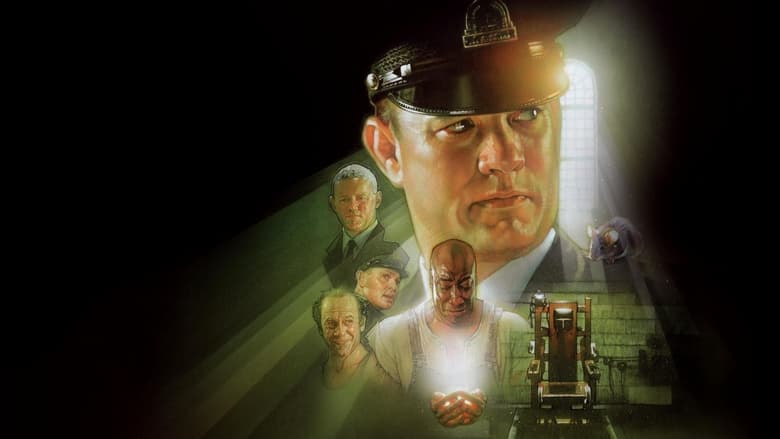
The Green Mile|1999 · Frank Darabont
What is the thematic significance of the green linoleum floor in the prison?
While the green linoleum floor of Cold Mountain Penitentiary is universally understood as a corridor of…