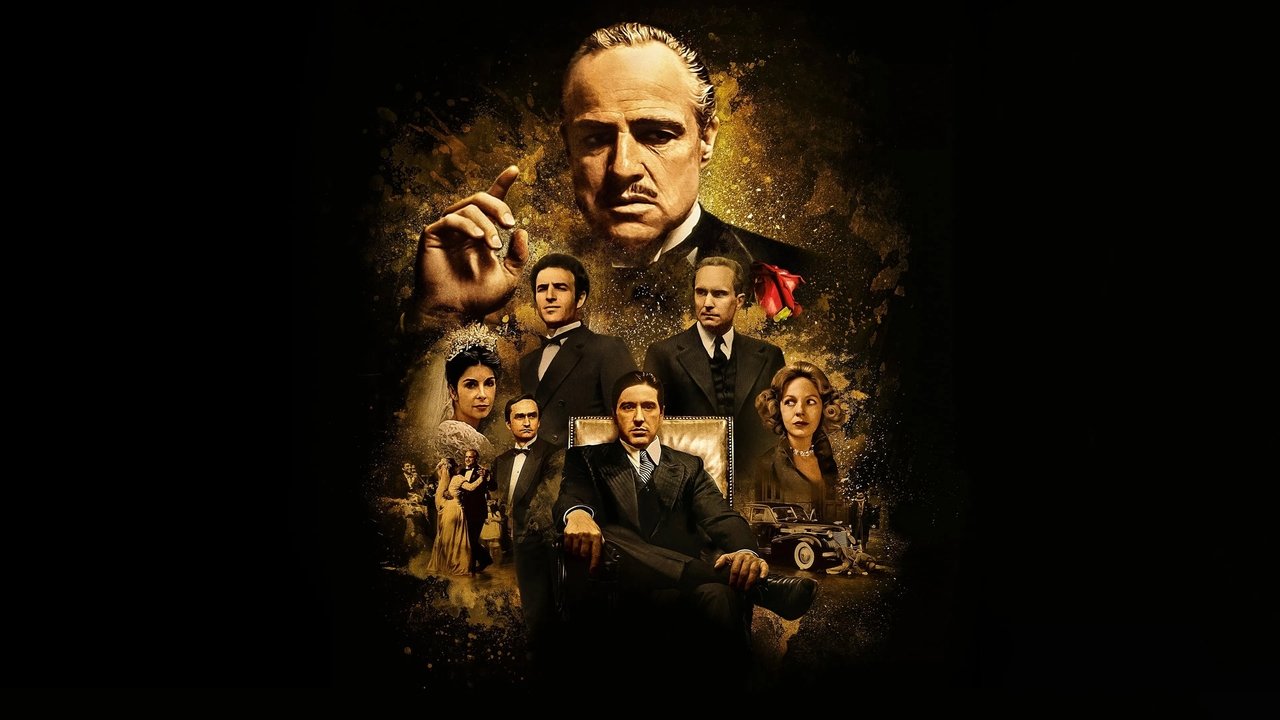
Sonny Corleone's death at the tollbooth is designed to be exceptionally visceral because it marks the violent intrusion of modern, media-age brutality into the film's classical, operatic tragedy. Up to this point, the violence in The Godfather is relatively contained, clean, and sudden, modeled after classic Hollywood mob films. Sonny's assassination, however, utilizes a hyper-violent aesthetic heavily influenced by Arthur Penn's Bonnie and Clyde (1967) and the real-time horrors of the Vietnam War broadcast on television. Coppola shot the sequence using hundreds of squibs attached to actor James Caan's body and car, creating a relentless, chaotic barrage of gunfire that shreds both the vehicle and the man. Sonny's wild, animalistic thrashing as he is gunned down contrasts sharply with his larger-than-life, passionate nature, making his destruction feel tragic and agonizingly prolonged. This scene represents the death of the old-world way of fighting. Sonny, with his hot temper and physical bravado, belongs to an older era of personal combat. His mechanical, industrialized execution at a highway tollbooth signals the arrival of a cold, impersonal modern warfare that Michael will master, leaving no room for Sonny's passionate, outdated masculinity.■
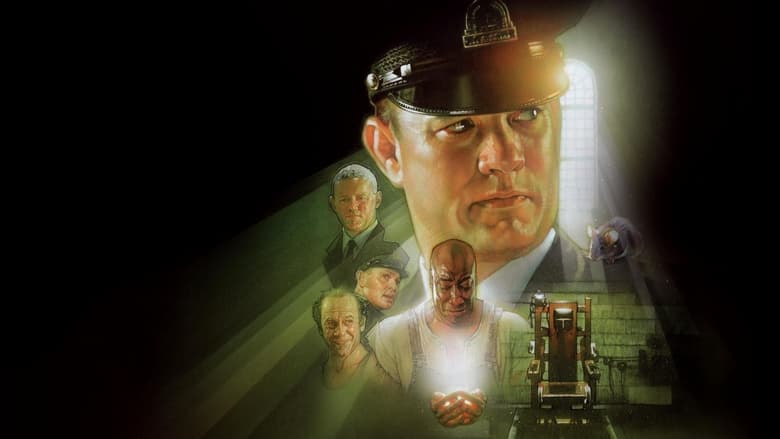
The Green Mile|1999 · Frank Darabont
What is the thematic significance of the green linoleum floor in the prison?
While the green linoleum floor of Cold Mountain Penitentiary is universally understood as a corridor of…