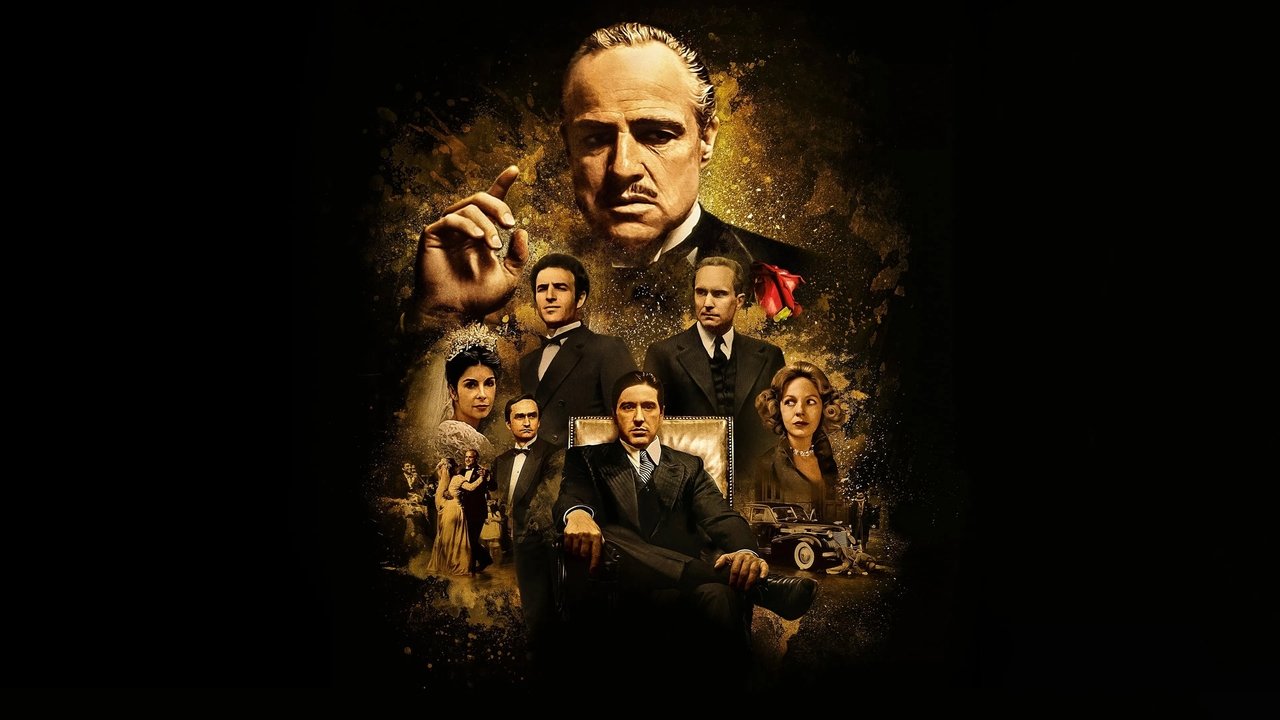
The baptism sequence redefines the gangster genre's climax by using parallel editing to construct an ideological montage that synthesizes sacred ritual with profane violence. Traditionally, gangster films concluded with a linear, action-packed shootout where the protagonist met a tragic end. Coppola and editor Peter Zinner instead construct a cross-cut sequence where Michael stands as godfather to his nephew while his capos systematically execute the heads of the Five Families. The brilliance of this sequence lies in its audiovisual counterpoint. The solemn Latin liturgy, the crying infant, and the sacred organ music contrast sharply with the brutal, methodical assassinations of Moe Greene, Barzini, Tattaglia, Cuneo, and Stracci. When Michael renounces Satan and his works in the church, his words are juxtaposed with the literal execution of his rivals. This sequence elevates the film from a standard crime story to a profound theological and psychological tragedy. It demonstrates that Michael's ascension to Don requires a complete, ritualistic surrender of his moral soul. By uniting the birth of a child, the initiation into the church, and the mass murder of his enemies, the film establishes Michael's total, absolute dominion over both his family and his empire.■
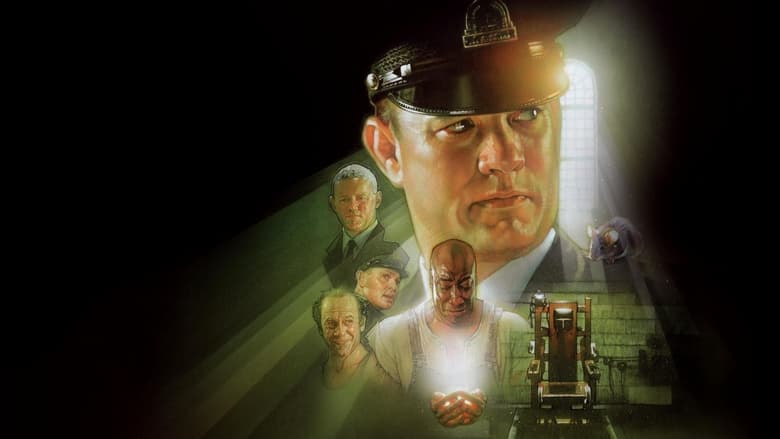
The Green Mile|1999 · Frank Darabont
What is the thematic significance of the green linoleum floor in the prison?
While the green linoleum floor of Cold Mountain Penitentiary is universally understood as a corridor of…