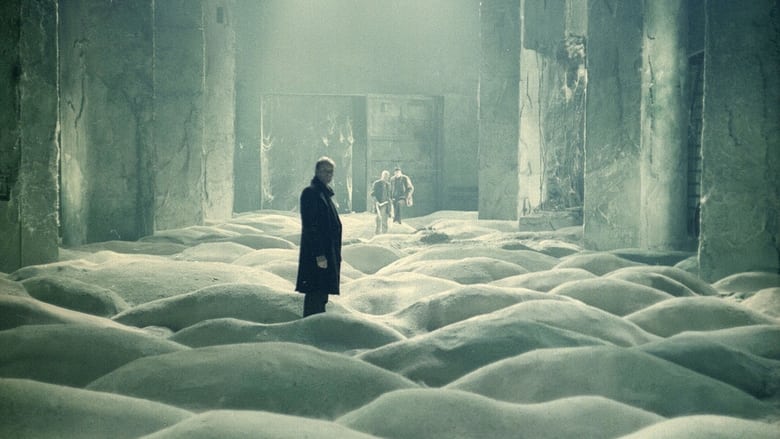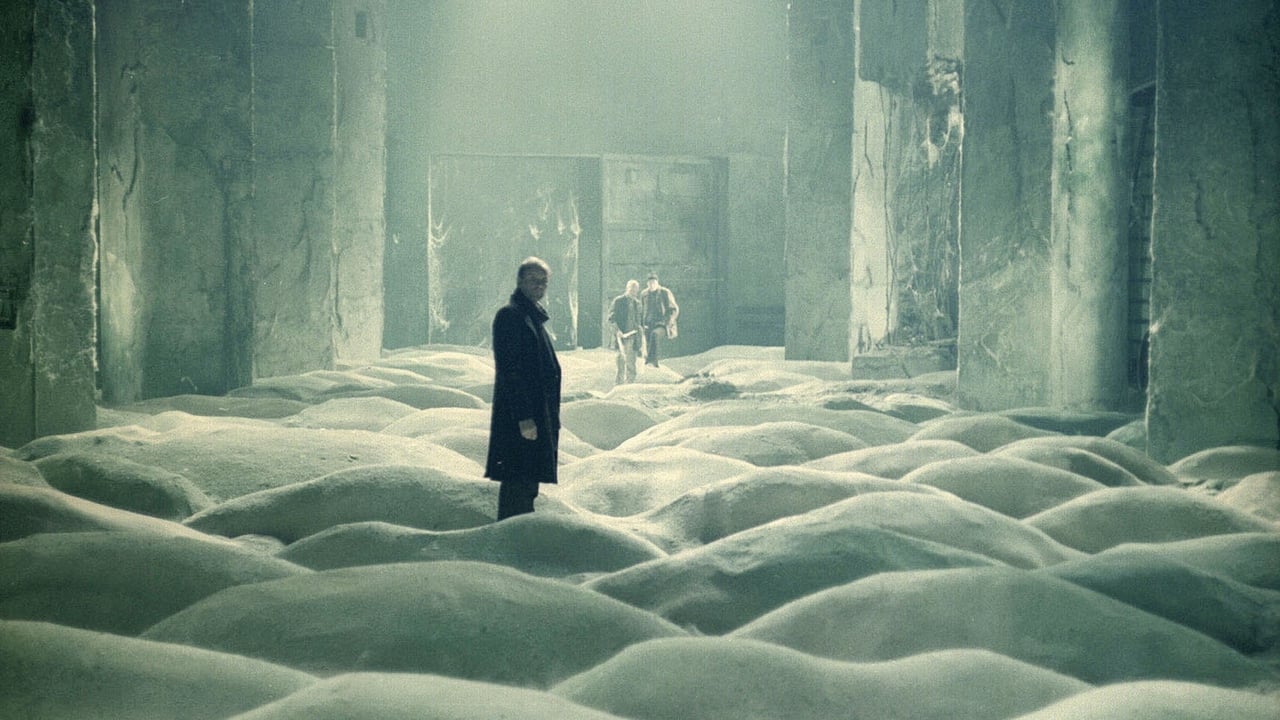
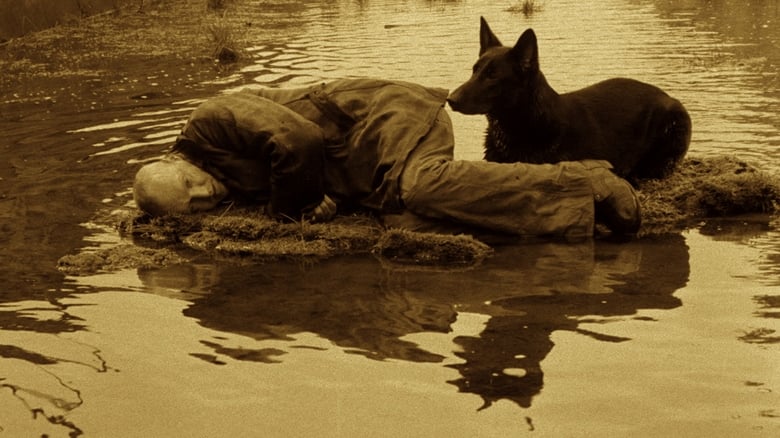
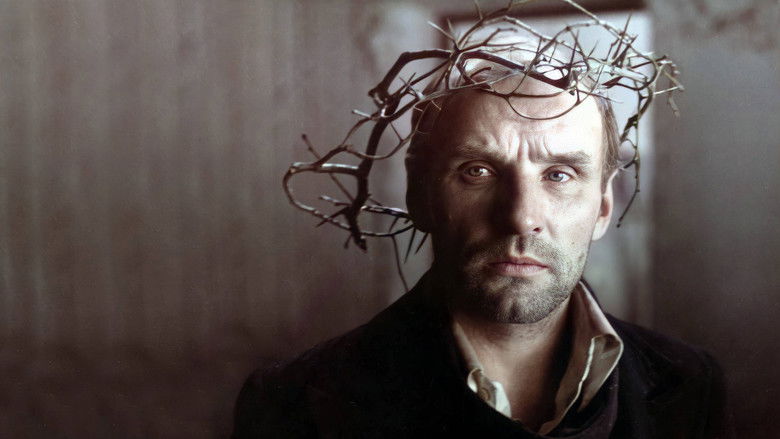
The transition from sepia to color visualizes the shift from the oppressive, spiritually dead reality of the Soviet-industrial world to the vibrant, untamed metaphysical possibilities of the Zone. Tarkovsky shot the framing sequences in monochrome sepia to depict the mundane world as a prison of concrete, rust, and despair—a reflection of the stagnation era of the late Soviet Union. In contrast, the lush greens and deep blues of the Zone represent a space where nature has broken free from human control, becoming alive with spiritual potential. Historically, this color shift echoes classic cinematic transitions like The Wizard of Oz, but instead of moving to a fantasy land of escape, Tarkovsky moves his characters into a demanding reality of self-confrontation. The monochrome world is dead and predictable; the colored Zone is alive and dangerous. By using color to denote the spiritual realm, Tarkovsky subverts the typical sci-fi trope where the alien landscape is sterile and metallic, suggesting instead that the truly alien and miraculous thing in our modern world is the untamed beauty of nature itself.■
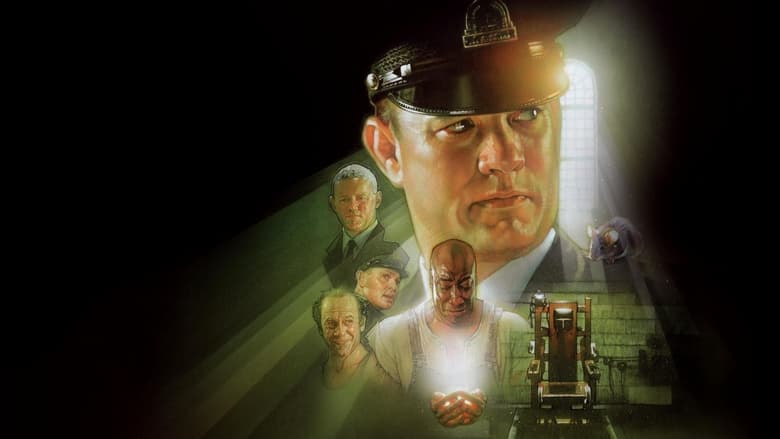
The Green Mile|1999 · Frank Darabont
What is the thematic significance of the green linoleum floor in the prison?
While the green linoleum floor of Cold Mountain Penitentiary is universally understood as a corridor of…