While the passage is indeed a heavily modified, non-verbatim fabrication of the biblical text designed for cinematic impact, it serves as the psychological and moral spine of the entire film. In the opening act, Jules admits he used the speech simply because it sounded cold-blooded to say before killing someone. At that point, it is indeed just cool-sounding nonsense, a theatrical performance used to terrorize his victims. However, the true significance of the speech is revealed in the final diner scene, where Jules repeats the passage not as a prelude to execution, but as an act of self-reflection and de-escalation. By analyzing the words under the light of his recent survival, Jules breaks down the roles within the text, identifying himself first as the tyranny of evil men, then attempting to be the shepherd, and recognizing Pumpkin and Honey Bunny as the weak. This shift from mindless recitation to deep, introspective analysis marks Jules's transition from a soulless instrument of violence to a self-aware moral agent. The speech is not empty style; it is a linguistic mirror that tracks Jules's journey from spiritual death to active redemption, proving that even a fabricated piece of pop-culture scripture can become a vehicle for genuine salvation.■
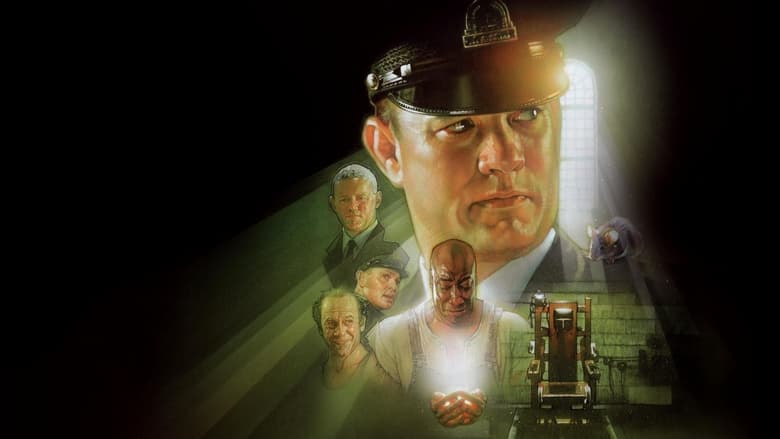
The Green Mile|1999 · Frank Darabont
What is the thematic significance of the green linoleum floor in the prison?
While the green linoleum floor of Cold Mountain Penitentiary is universally understood as a corridor of…