The rainstorm sequence illustrates how the same ecological event acts as a minor inconvenience for the wealthy while functioning as an existential disaster for the poor. For the Parks, the torrential rain is a scenic backdrop that clears the air pollution, allowing Yeon-kyo to remark the next morning that the rain was a blessing in disguise. Their worst-case scenario is a ruined camping trip, which they easily remedy by setting up an expensive, waterproof American tent in their private garden. For the Kims, however, the same rain is a literal deluge that floods their semi-basement with raw sewage, destroying all their earthly possessions and forcing them to sleep on a gymnasium floor with hundreds of other displaced citizens. This stark contrast highlights the concept of climate gentrification and environmental injustice, which is a global reality. The wealthy are insulated from the physical consequences of the environment by their elevated geography, while the poor live in vulnerable, low-lying areas that bear the full brunt of ecological crises. The very water that washes the Parks' windows is the water that drowns the Kims' home, illustrating how environmental disasters are experienced entirely through the lens of class.■
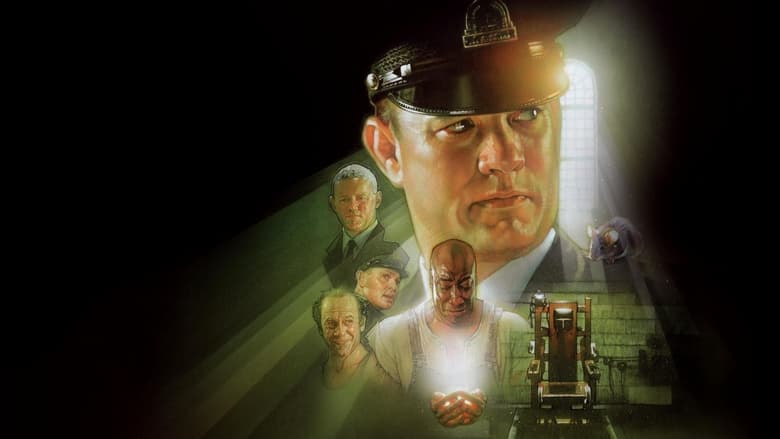
The Green Mile|1999 · Frank Darabont
What is the thematic significance of the green linoleum floor in the prison?
While the green linoleum floor of Cold Mountain Penitentiary is universally understood as a corridor of…