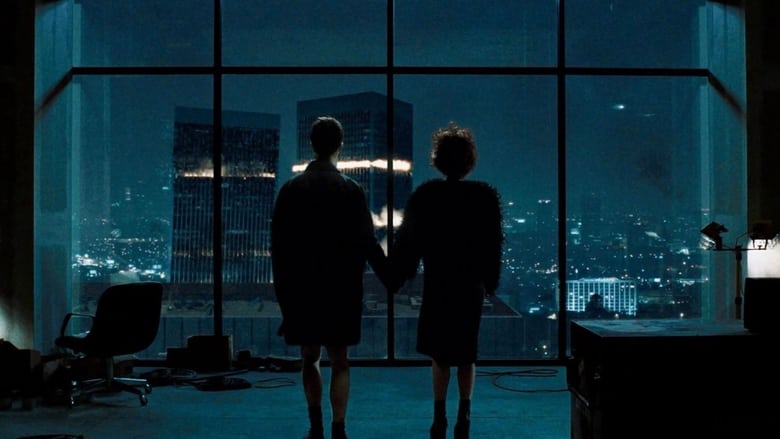
The slow, satirical first act is essential because it establishes the precise psychological vacuum that makes the violence of the fight clubs feel like a relief. Without the detailed depiction of the Narrator's hollow lifestyle—his obsession with the Nyland home entertainment center and the perfect catalog-coordinated apartment—we cannot understand why he would willingly choose to be beaten to a pulp in a bar basement. Fincher uses this buildup to diagnose a specific late-twentieth-century malaise: a life so insulated by consumer comfort, safety, and corporate cubicles that it results in total emotional numbness. The support groups for terminal illnesses are the Narrator's first attempt to feel something real by proxy, crying in the arms of strangers like Bob just to release his repressed grief. When Tyler finally appears and demands, "I want you to hit me as hard as you can," it does not feel like senseless brutality; it feels like an awakening. The first act carefully constructs the prison of modern domesticity so that the basement fights feel like a necessary, cathartic jailbreak.■

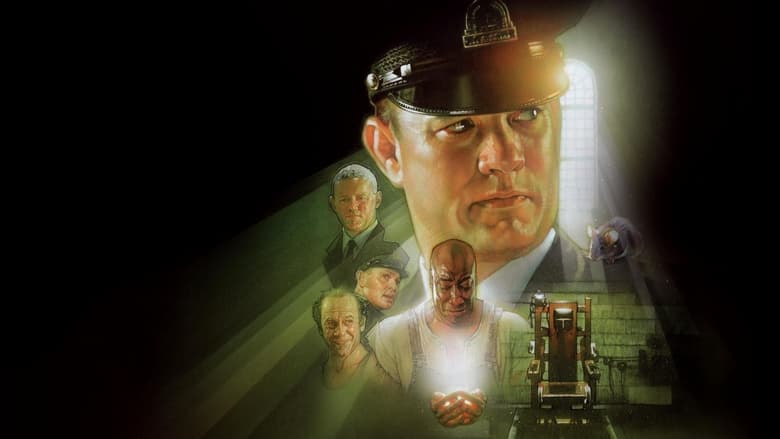
The Green Mile|1999 · Frank Darabont
What is the thematic significance of the green linoleum floor in the prison?
While the green linoleum floor of Cold Mountain Penitentiary is universally understood as a corridor of…