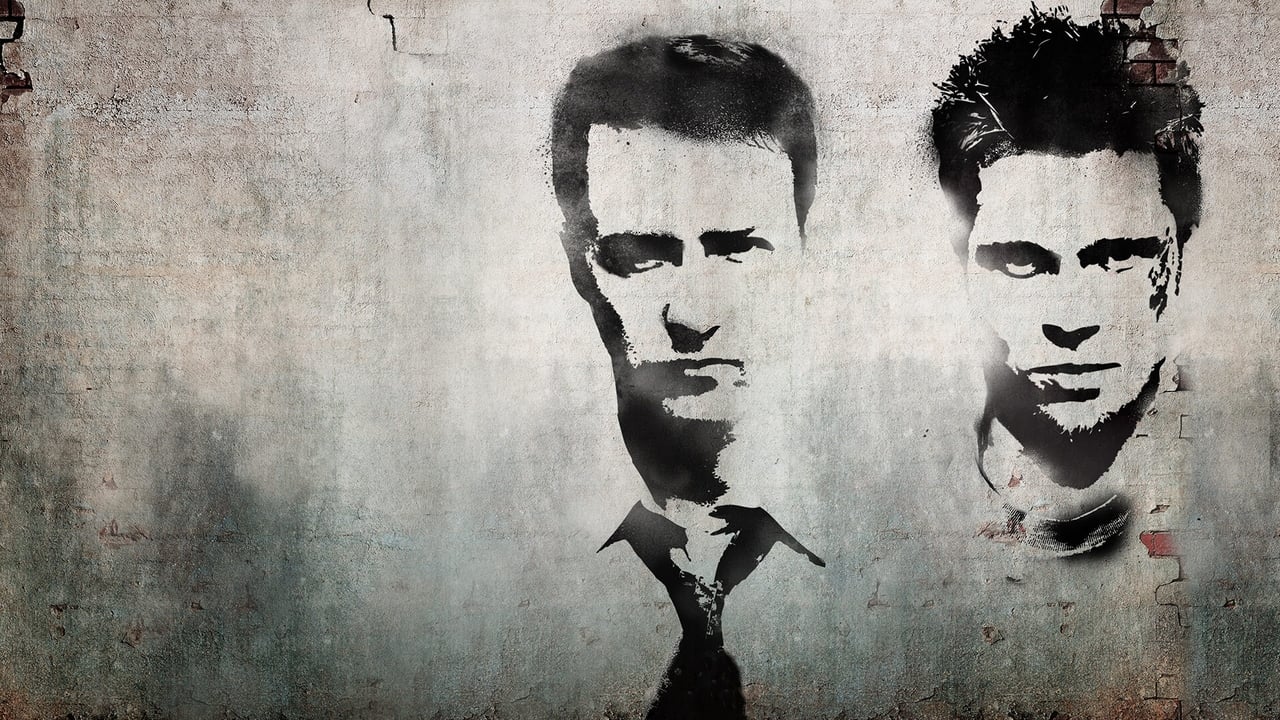
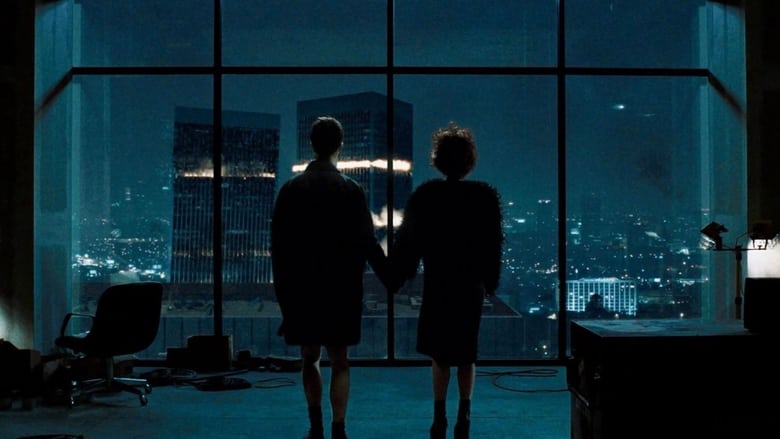
Far from a cop-out, the twist is the narrative engine that makes the film's political critique possible, shifting the focus from a simple "us versus them" rebellion to an internal struggle over identity and power. If Tyler were a real, external leader, the film would be a straightforward, romanticized thriller about eco-terrorism. By making Tyler a projection of the Narrator's own mind, the film forces the audience to confront a far more uncomfortable truth: that the urge toward destruction and the urge toward conformity come from the exact same psychological source. The twist reveals that the Narrator's search for healing has led him to create his own oppressor. The ending is not a retreat into safety; it is a dark, ironic compromise. The buildings still fall, and the financial system is still crippled, but the Narrator is left holding hands with Marla, physically mutilated and mentally fractured. The twist ensures that the film cannot be easily dismissed as a revolutionary manifesto, reframing it as a cautionary tale about the self-destructive nature of extreme ideological movements.■
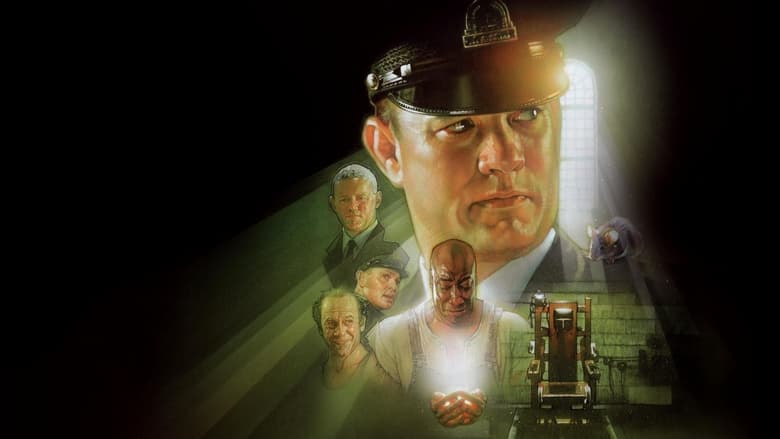
The Green Mile|1999 · Frank Darabont
What is the thematic significance of the green linoleum floor in the prison?
While the green linoleum floor of Cold Mountain Penitentiary is universally understood as a corridor of…