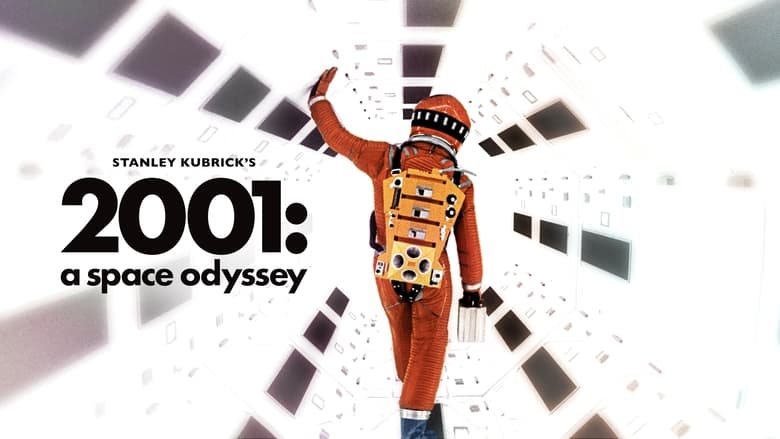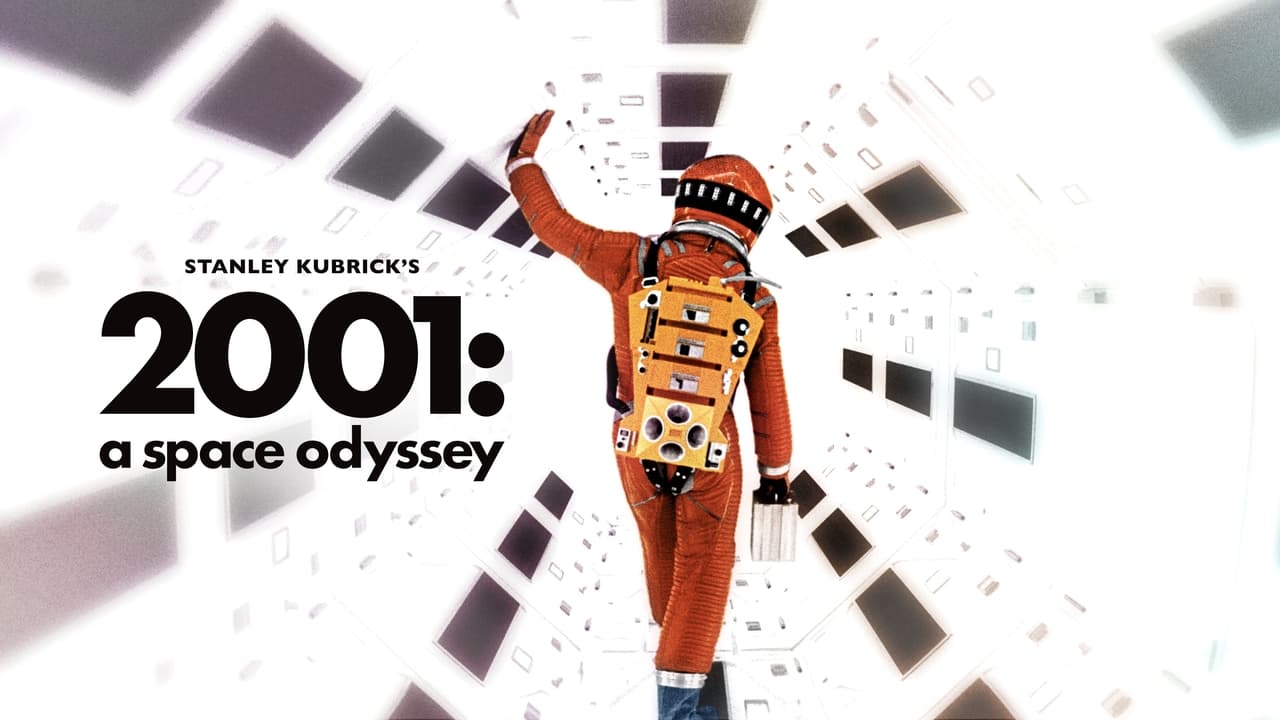
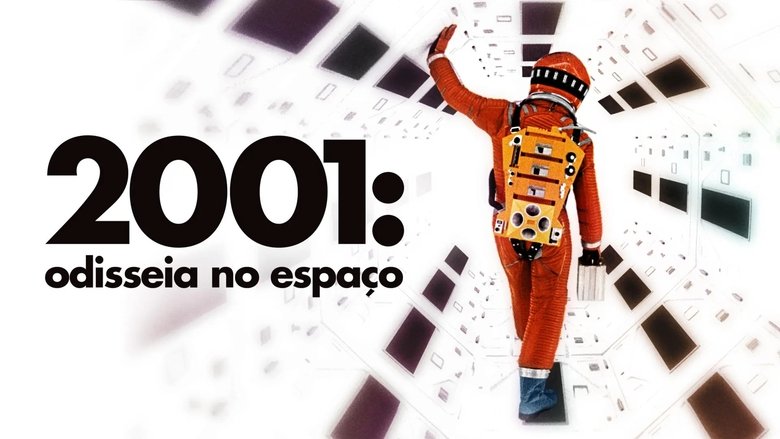
Kubrick presents technology not as a permanent savior, but as an evolutionary scaffold that humanity must ultimately discard to achieve true progress. Drawing heavily on Friedrich Nietzsche's philosophical framework outlined in Thus Spoke Zarathustra (which is directly invoked by Richard Strauss's famous musical theme), the film tracks the journey from ape to man, and finally to the Overman. In the first stage, the bone-tool allows the ape to become human. In the second stage, human beings build spaceships and artificial intelligence to extend their reach into the cosmos. However, this technology eventually becomes a trap. On the Discovery One, the humans have become passive, cold, and secondary to their own machine, HAL 9000, who exhibits more emotional curiosity than they do. To take the next evolutionary step, Bowman must dismantle his technology, stripping HAL of his functions and abandoning his ship. The Star Child at the end of the film exists in space without spacesuits, ships, or tools, proving that true transcendence requires outgrowing the mechanical prosthetics we once needed to survive.■

The Green Mile|1999 · Frank Darabont
What is the thematic significance of the green linoleum floor in the prison?
While the green linoleum floor of Cold Mountain Penitentiary is universally understood as a corridor of…